Catalog Showcase
Electric Guitar Picks for Every Player
Whether you are an aspiring beginner searching for your very first six-string or a gigging guitarist expanding your stage lineup, finding the right electric guitar is all about balancing comfortable neck feel, versatile pickup configurations, and reliable build quality. From bright, articulate single-coil instruments like Stratocasters and Telecasters to thick, sustain-heavy humbucking classics like the Les Paul and SG, our curated collection highlights top-tier guitars across all key playing styles and price tiers.
Each model featured below connects directly to verified Amazon listings, allowing you to browse current pricing, check available color finishes, read community feedback, and buy with fast, dependable shipping. Explore our breakdown below to match your musical genre with the ideal instrument.
As an Amazon Associate we earn from qualifying purchases. Links marked View on Amazon are affiliate links.
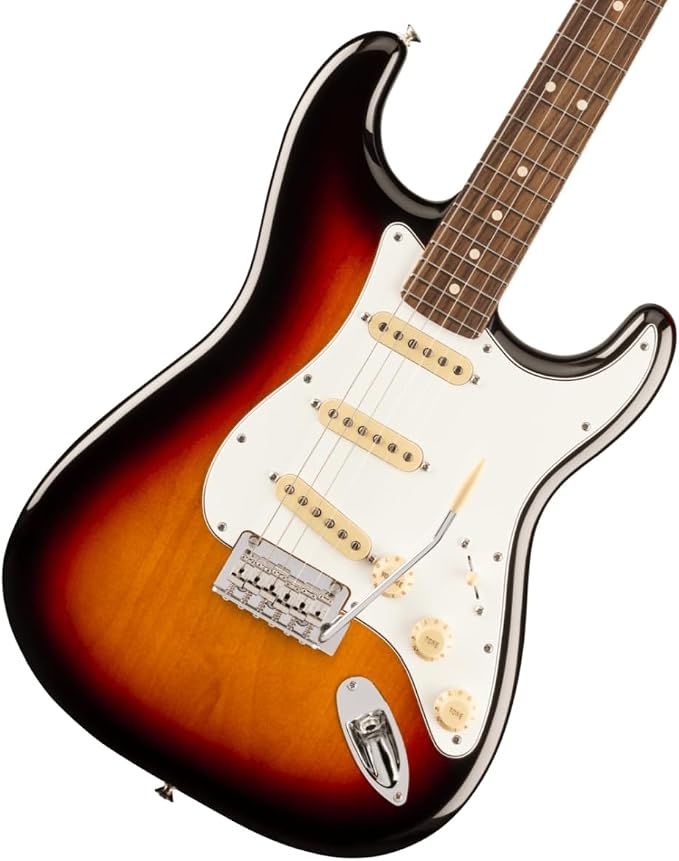
Fender Player II Stratocaster
Iconic crystalline highs and snappy neck-pickup leads powered by Alnico V single-coils.
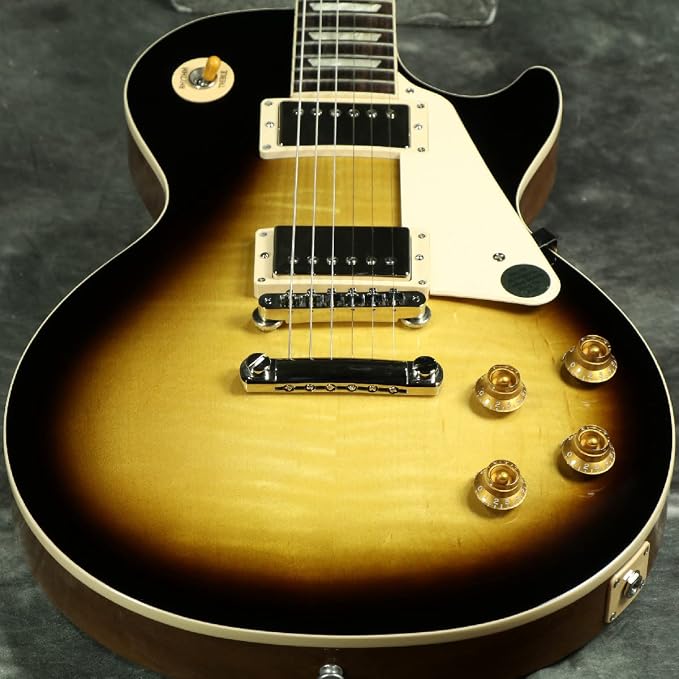
Gibson Les Paul Standard '50s
Monumental sustain and warm vintage humbucker punch with a rounded vintage neck.
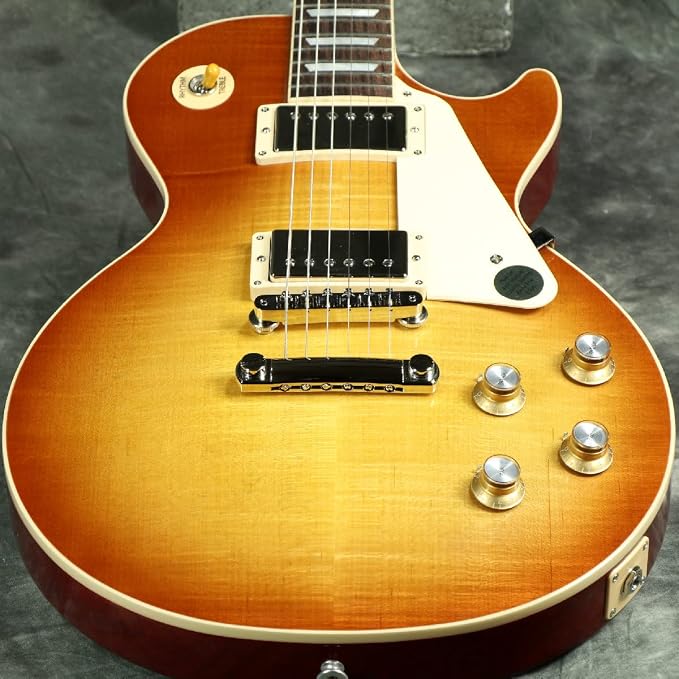
Gibson Les Paul Standard '60s
Thick, resonant mahogany sustain paired with expressive BurstBucker pickups.
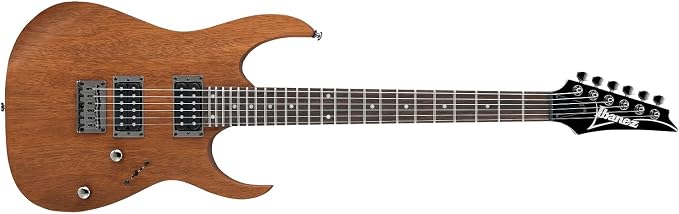
Ibanez RG421 Standard
Ultra-fast Wizard III neck with dual Quantum humbuckers tuned for high-gain clarity.
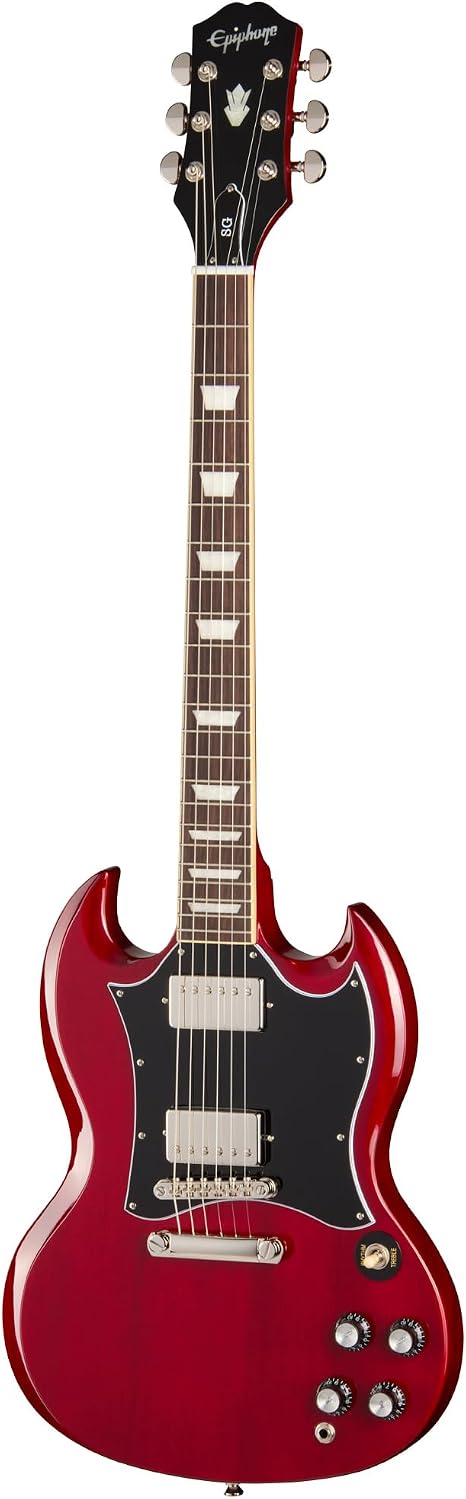
Epiphone SG Standard
Legendary double-cutaway mahogany body with ProBucker humbuckers and a fast SlimTaper C neck.
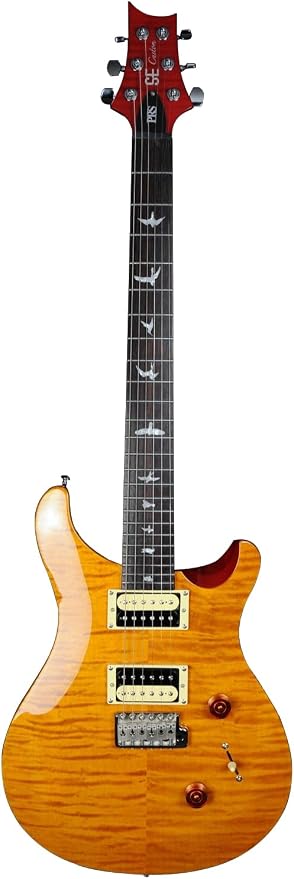
PRS SE Custom 24
Workhorse playability with ergonomic body contours and wide tonal range.
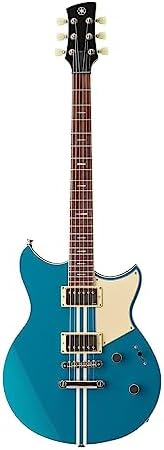
Yamaha Revstar Standard RSS20
Chambered mahogany body with custom-wound pickups and a passive boost switch, in Swift Blue and supplied with a gig bag.
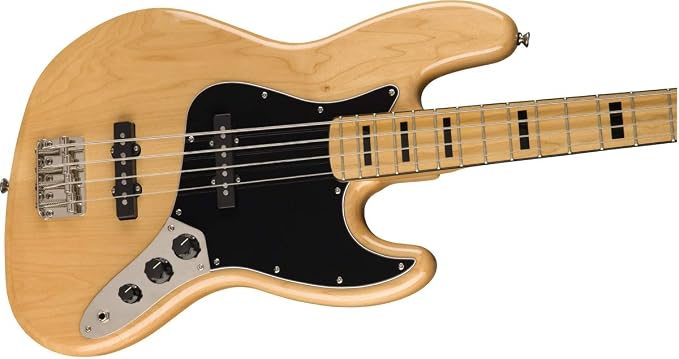
Squier Classic Vibe '70s Jazz Bass
Dual Fender-designed alnico single-coil pickups and a slim C-shaped neck deliver a vintage 1970s Jazz Bass tone in Natural.
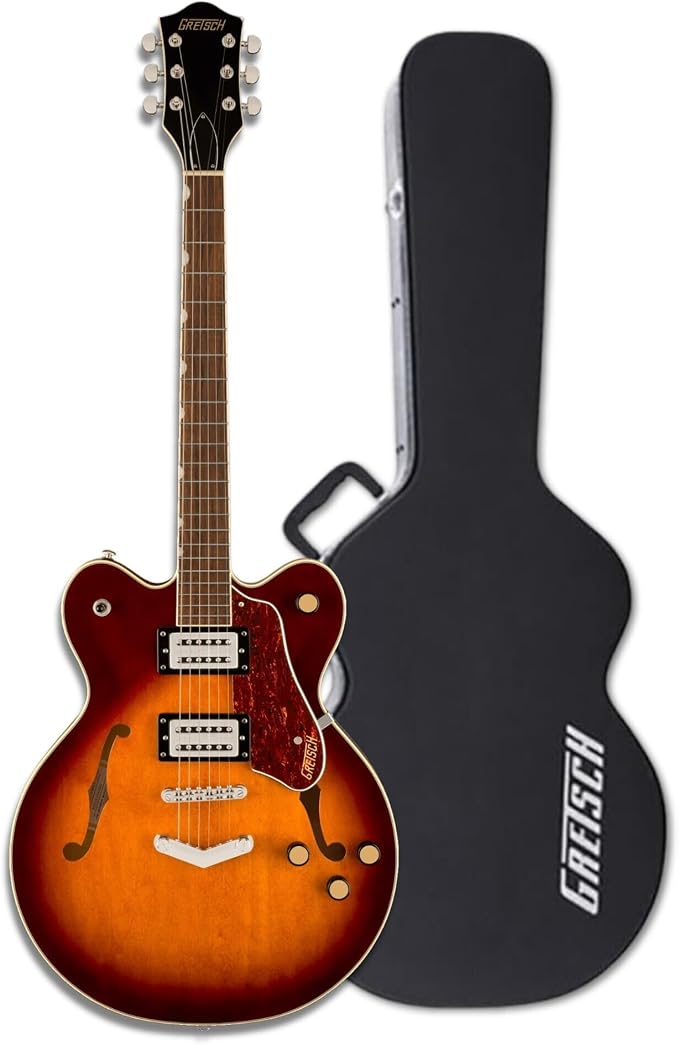
Gretsch G2622 Streamliner Center Block
High-output Broad'Tron humbuckers built to resist feedback at stage volume.
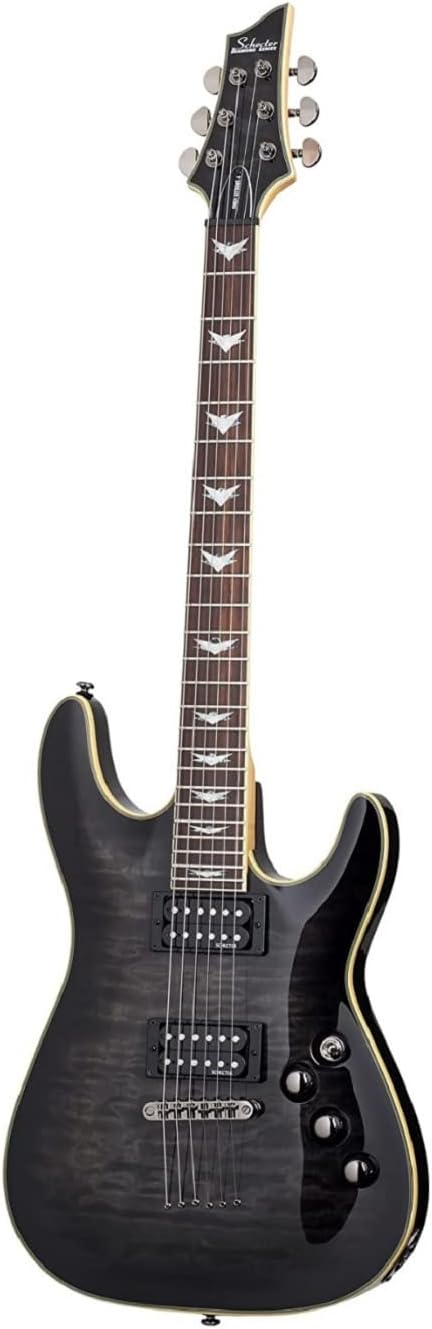
Schecter Omen Extreme-6
Carved quilted maple top with coil-splittable Diamond Plus humbuckers for heavy rock.
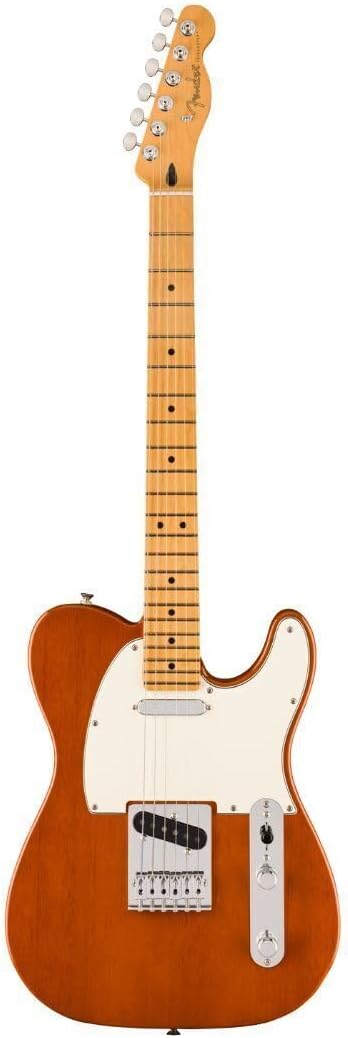
Fender Player II Telecaster
Twangy bridge single-coil bite and snappy rhythm chords paired with a modern C-shaped maple neck.
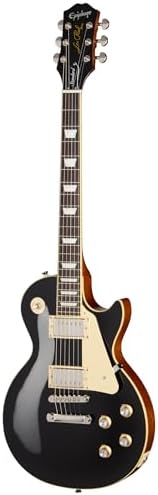
Epiphone Les Paul Standard '60s
Authentic 60s-era Les Paul looks and tone, with ProBucker humbuckers, a mahogany body with maple cap and a fast SlimTaper 60s C neck.
How to Choose an Electric Guitar
Selecting your first or next electric guitar comes down to physical ergonomics, pickup voicing, and practical budget. Keep these four fundamentals in mind before clicking through to Amazon.
Solid-body guitars maximize sustain and resist feedback at stage volume, making them the standard choice for rock, pop, and metal. Semi-hollow and hollow-body designs incorporate internal acoustic chambers and resonant center blocks, offering airy warmth and acoustic bloom favored in blues, jazz, and indie rock.
Single-coil pickups deliver crisp, articulate highs with snappy chime ideal for funk, country, and clean chord rhythm. Dual-coil humbuckers cancel electromagnetic interference, generating thicker midrange punch and high-gain stability, while coil-split switches offer the versatility to tap single-coil tones on demand.
Modern manufacturing ensures entry instruments between $200 and $400 deliver reliable tuning stability and comfortable factory setups. Mid-tier guitars from $500 to $900 introduce branded pickups, resonant mahogany or alder tonewoods, and rolled fretboard edges, while professional models at $1,000 and above offer custom-shop refinement.
Beginners benefit from modern slim C-shape neck profiles that reduce hand fatigue during early barre chord practice. Scale length also impacts playability: standard 25.5-inch scales provide tighter string tension and snap, whereas 24.75-inch scales make string bends easier and fret spacing more compact.
In-Depth Buying Advice
Electric Guitar Anatomy, Pickups & Selection Guide
Body Construction and Tonewood Selection
Electric guitars fall primarily into solid-body, semi-hollow, and hollow-body designs. Solid-body guitars, crafted from hardwoods such as alder, ash, mahogany, or basswood, deliver focused sustain, rapid attack, and total immunity to microphonic feedback under high-gain amplification. Alder and ash emphasize sparkling treble response and punchy upper midrange, while dense mahogany yields warm, dark resonance with thick low-end presence.
Semi-hollow guitars feature a solid central wood block flanked by acoustic chambers with f-holes. This hybrid construction introduces natural acoustic resonance and woody dynamic response while still controlling unwanted feedback during stage performance. Hollow-body electrics provide deep, breathy character best suited for jazz comping and traditional blues.
Pickup Configurations: Single-Coil vs. Humbucker vs. P-90
Pickups convert vibrating strings into electrical signal, acting as the primary sonic engine of any guitar. Single-coil pickups produce a bright, transparent tone with exceptional percussive clarity, perfect for funk rhythms, country twang, and blues leads. However, their single-winding construction naturally picks up 60-cycle electromagnetic hum from lighting and electronics.
Humbuckers wire two coils in series with opposing magnetic polarities to cancel extraneous hum, outputting a thicker, rounder signal with pronounced midrange grunt that drives amplifier preamps smoothly into rock and metal distortion. P-90 pickups sit comfortably in between: large single-coils that blend the glassy edge of single-coils with the throatier growl of a humbucker. Many contemporary instruments include push-pull coil-split pots, enabling players to isolate one coil of a humbucker for glassy single-coil voicings.
Neck Profiles, Scale Lengths, and Fretboard Radius
Neck geometry directly influences physical fretting comfort. Slim modern C-shaped necks fit smaller hands and general rhythm playing comfortably. Flatter D or U-shaped profiles provide palm support for vintage chord grips, while ultra-thin profiles like Ibanez Wizard necks cater to high-speed lead technique and sweeps.
Scale length—the distance from the bridge saddles to the nut—typically measures 25.5 inches on Fender-style guitars and 24.75 inches on Gibson-style instruments. Longer scales maintain tauter string tension, producing bell-like highs and punchy bass articulation. Shorter scales reduce string tension at standard pitch, allowing effortless vibrato and string bending. Fretboard radius describes fretboard curvature: a round 9.5-inch radius supports comfortable open and barre chords, whereas 12-inch to 16-inch flatter radiuses eliminate string choke during wide bends above the twelfth fret.
Budget Tiers: What Your Money Buys
Understanding pricing tiers clarifies what hardware, materials, and finishing standards you receive at each stage of your investment:
Entry Tier ($200 – $400)
Reliable die-cast tuners, synthetic bone nuts, ceramic pickups, and durable polyurethane finishes. Excellent value for beginners starting their journey.
Mid Tier ($500 – $900)
Alnico pickups, bone nuts, two-point vibrato or locking tuners, rolled fingerboard edges, and premium flame or quilted maple veneers.
Pro Tier ($1,000+)
Hand-wired electronics, nitrocellulose finishes, quartersawn timber necks, stainless steel frets, and included premium hard-shell flight cases.
Essential Accessories You Need
An electric guitar cannot generate volume without accompanying gear. When budgeting for your setup, remember to reserve funds for:
- • Practice Amplifier: A 10W to 20W solid-state or modeling amp with headphone output.
- • Instrument Cable: A shielded 10-foot or 15-foot cable with gold-plated 1/4-inch jacks.
- • Electronic Tuner: A clip-on headstock tuner or pedal tuner for rapid pitch verification.
- • Strap & Gig Bag: A padded guitar strap and protective soft bag for safe transport.
- • Picks & Spare Strings: Assorted plectrum gauges (0.60mm to 1.0mm) and a spare set of nickel-wound strings.
Buyer Checklist Before Ordering
- Confirm the pickup layout matches your target genres (single-coils for clean chime, humbuckers for heavy gain).
- Verify the neck scale length fits your hand size and desired string bending tension.
- Review customer feedback on tuning stability and factory fret finishing.
- Check whether a protective gig bag or hard case is bundled with the instrument.
- Ensure you have an amp, cable, and clip-on tuner ready before delivery.
Buying FAQ
Frequently Asked Questions
Straightforward answers to the most common questions guitarists ask when shopping for an electric instrument.
What is a realistic budget for a first electric guitar?
A budget between $200 and $400 buys a remarkably well-constructed starter electric guitar from established brands like Squier, Epiphone, or Ibanez. Allocate approximately $100 to $150 additional funds for a practice modeling amplifier, a reliable 10-foot cable, a clip-on digital tuner, and a protective gig bag.
Should I choose single-coil or humbucker pickups for my musical style?
Choose single-coils if your playing focuses on funk, clean rhythm, surf, indie, country, or blues, where crystalline top-end clarity and note separation matter most. Choose humbuckers if you prioritize classic rock crunch, hard rock, grunge, or modern heavy metal, where hum-canceling design and muscular midrange gain are essential.
Do I need a different amplifier for different types of electric guitars?
No. All electric guitars use standard 1/4-inch passive or active instrument signals that plug into any standard guitar amplifier. A versatile modern digital modeling amplifier can easily shape its equalization and gain stages to complement both bright single-coils and high-output humbuckers.
Is it better to buy a brand new electric guitar or a used one?
Buying brand new online provides consumer return protections, factory warranties, unmarred fretwork, and pristine electronics without hidden modifications or neck warps. Used guitars can offer cost savings, but they require technical knowledge to inspect truss rod functionality, fret wear, and electronic grounding.
How often should I change the strings on an electric guitar?
For casual home players practicing three to four hours a week, changing strings every two to three months preserves crisp tone and reliable tuning stability. Daily players, aggressive strummers, or anyone with acidic hand perspiration will benefit from re-stringing every three to four weeks.