Electric vs Acoustic Which Guitar Fits Your Style
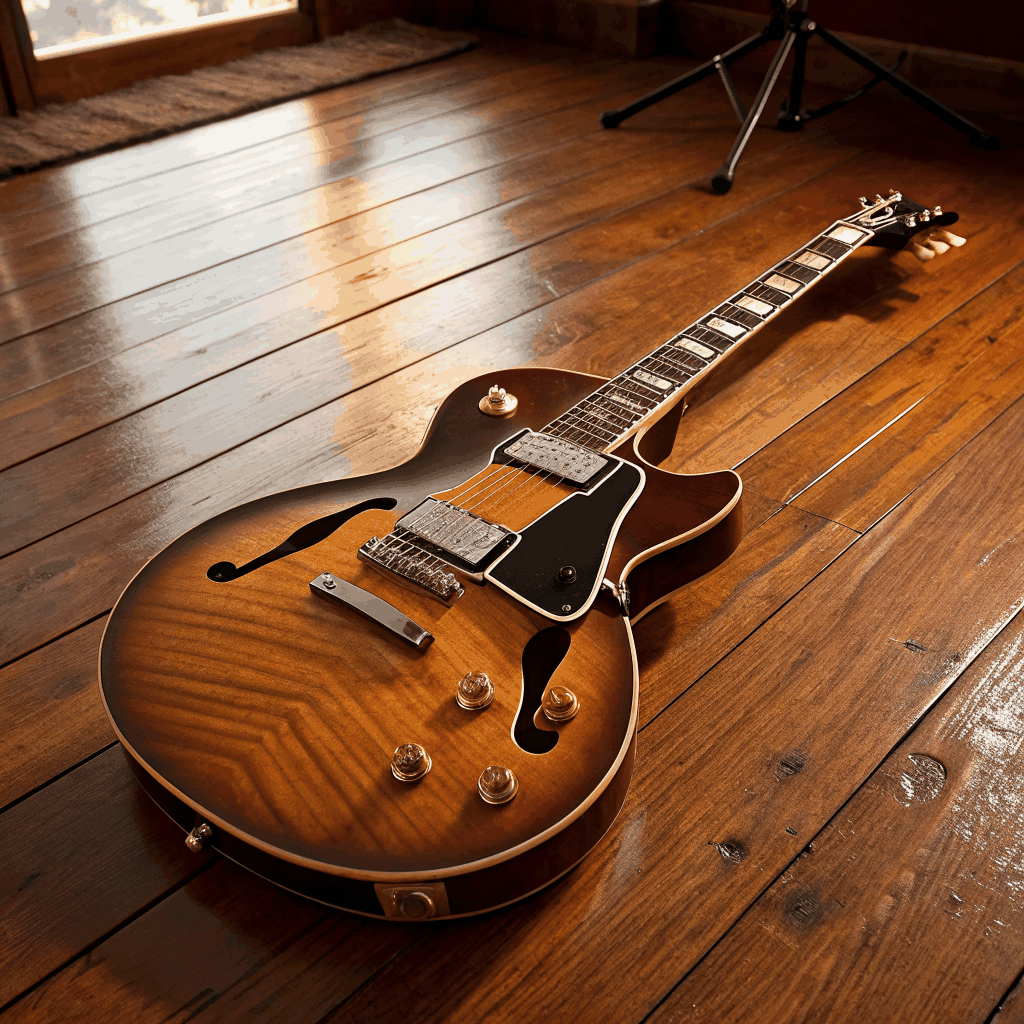
Choosing the Right Guitar for Your Sound
When you are deciding between an electric and an acoustic guitar, the first thing to consider is your musical vision. Each instrument brings a distinct feel, tone and set of possibilities, and the right choice depends on the music you want to make and the place you will make it.
Feel and Playability
- Acoustic: offers a natural, resonant body that feels solid under your fingers. The neck is usually slightly thicker and the strings higher off the fretboard, which can build finger strength but takes some getting used to.
- Electric: features a slimmer body and lighter weight, which makes it comfortable for long sessions or touring. The neck profile is often narrower and the action lower, which suits faster runs and complex solos.
Tone and Sound
- Acoustic: produces a warm, organic sound that shines in unplugged settings, folk and singer-songwriter contexts. The wood of the top and body strongly influences the tone, and the guitar's voice changes as it ages.
- Electric: provides a wide palette of tones, from bright, crisp leads to deep, growling rhythm, thanks to pickups and amplification. You can shape the sound further with pedals and effects.
Versatility and Context
- Acoustic: ideal for live performances where you want an immediate, unplugged vibe, and for recording demos or acoustic sessions with a single good microphone.
- Electric: excels in studio environments, live rock shows and any genre that benefits from amplification and effects. Its flexibility makes it a staple for session players who switch styles often.
Practical Considerations
- Portability: acoustic guitars are usually heavier and bulkier, but they need no power source. Electric guitars are lighter and compact, but they require an amp or a PA system to be heard.
- Maintenance: acoustic guitars need steady humidity control to protect the top and neck. Electric guitars need less environmental care, but they benefit from occasional pickup cleaning, cable checks and string changes.
- Running costs: an electric needs an amp, cables and often pedals, while an acoustic can be played immediately with a tuner and a set of strings. Consider the full cost of the setup, not only the guitar.
Matching the Guitar to Your Goals
- Singing and songwriting at home: an acoustic is usually the most direct route, since it fills a room without any gear.
- Rock, blues and band playing: an electric gives you the sustain, distortion and tonal control those styles rely on.
- Learning both: many players start on one and add the other later. A beginner acoustic or a starter electric pack both work well as a first step.
Common Mistakes When Choosing
- Choosing by appearance: a beautiful finish does not guarantee comfort or tone. Judge the instrument by how it sounds and feels in your hands.
- Forgetting where you will play: a bedroom, a rehearsal room and a festival stage call for very different instruments and gear.
- Ignoring the cost of the setup: an electric without an amp is not ready to play, and an acoustic in a dry room may need a humidifier.
A Simple Trial Plan
If you are still undecided, a short trial can settle the question. Spend one week with each option, keeping a note of how often you pick the guitar up and how it feels after twenty minutes.
- Day one: play a simple chord progression on each instrument, then compare the comfort of the neck and the volume you need to be heard.
- Midweek: try a song you already know on both, and note which version you enjoy singing or playing along with.
- End of the week: ask which instrument you reached for without thinking. That habit is often the strongest sign of your real preference.
If you have settled on an electric, see Top 5 Beginner Electric Guitars for 2026 for specific models and what to check before you buy. If an acoustic is your direction, read Choosing the Right Acoustic Guitar: Quick Guide and Solid Top vs Laminate Acoustic Guitars. You can also visit our acoustic guitar page for more options.
The Bottom Line
An acoustic guitar suits players who want an unplugged, resonant sound that works anywhere, while an electric suits players who want a wide range of tones, effects and amplified volume. Play both if you can. Your style, your space and the music you love will point you toward the right choice.
Keep reading
- Top 5 Beginner Electric Guitars for 2026 — Lists beginner electric models with what to check.
- Choosing the Right Acoustic Guitar Quick Guide — A quick checklist for choosing an acoustic guitar.
- Humbucker vs Single-Coil Pickups: Tone Compared — Explains how pickup types shape electric guitar tone.