Top 5 Beginner Electric Guitars for 2026
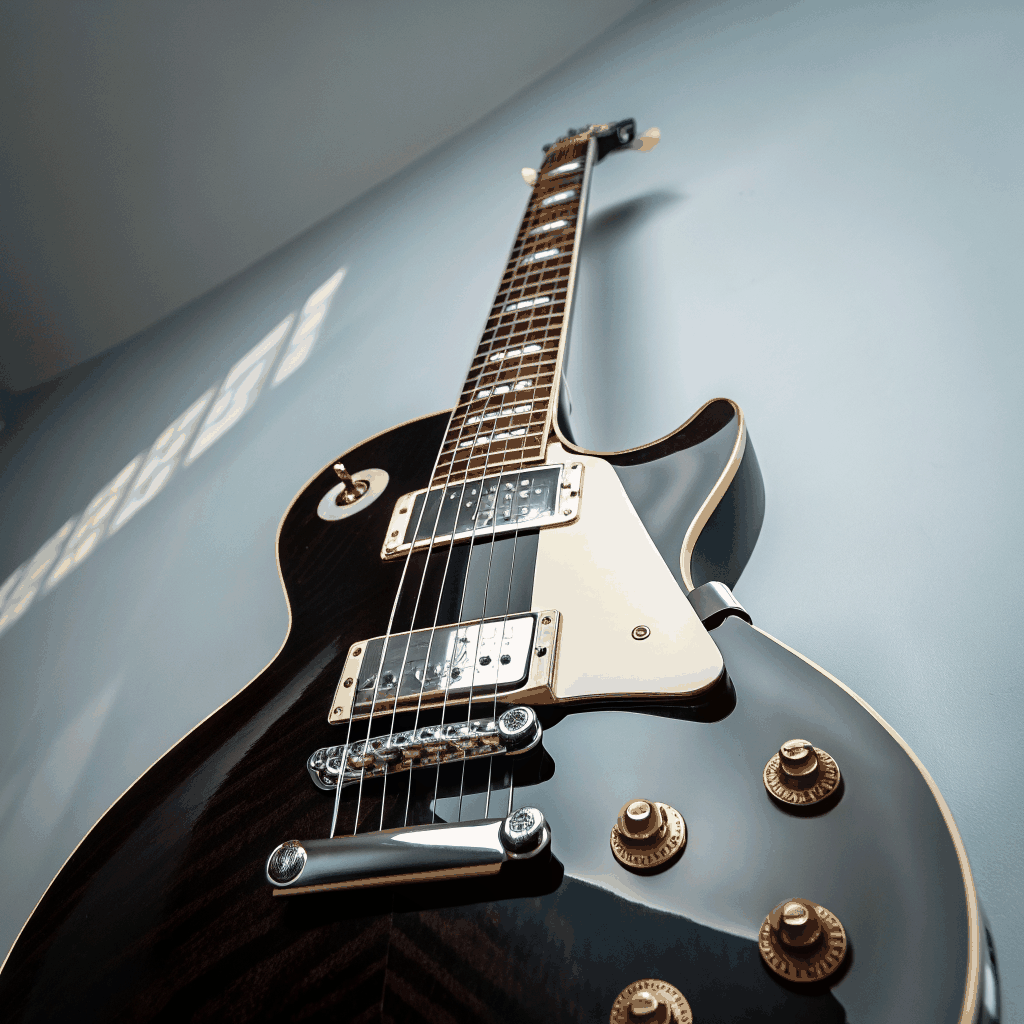
The Best Starter Guitars of 2026
Choosing your first electric guitar can feel overwhelming, because the market offers dozens of models at every price level. A handful of instruments consistently stand out for beginners, though, thanks to their playability, durability, and affordable pricing. The five picks below cover a range of styles, from Strat-style single-coils to Les Paul-style humbuckers and high-performance active models. For each one you will find what it does well, who it suits, and what to check before you buy.
Five Beginner Electric Guitars Compared
A guitar's specifications only tell part of the story. Neck feel, string action and the way the electronics respond to your picking hand matter just as much as the brand name on the headstock, so use the notes below as a starting point for your own comparison.
- Squier by Fender Affinity Stratocaster
Why it shines: The classic Strat shape is lightweight and comfortable to hold, and the smooth neck makes it a good place to learn chord shapes and single-note lines. The single-coil pickups deliver bright, clear tones that suit blues, rock and funk.
Who it suits: Players who want the traditional Strat sound and one guitar that works across many styles.
What to check: Look at the string action and intonation when it arrives. Small adjustments to the saddles or truss rod can make a noticeable difference in comfort and tuning. - Yamaha Pacifica 112V
Why it shines: Dual humbuckers give a thicker, more forgiving sound, while the tremolo system lets you experiment with vibrato and pitch bends. The neck profile is comfortable for players with smaller hands, and the finish options keep the price in a modest range.
Who it suits: Players who want a versatile rock guitar and may move toward heavier music later.
What to check: Confirm that the tremolo returns to pitch after you bend strings, and listen to a clean sound before you decide, since humbuckers are less chimey than single-coils. - Ibanez GRX70QA
Why it shines: A modern, sleek design with a slim neck and a lightweight body. The active pickups provide a punchy, tight tone that suits metal and punk, and the guitar stays easy to play at high speed.
Who it suits: Players drawn to fast riffs and high-gain styles.
What to check: Active pickups run on a battery, so make sure the battery compartment is easy to reach and plan for replacements. The aggressive voicing is less natural for clean jazz or country. - Epiphone Les Paul Special II
Why it shines: The classic Les Paul body and a pair of humbuckers create a warm, full sound with plenty of sustain. The bolt-on neck feels smooth, and the solid construction should hold up well to regular practice and gigging.
Who it suits: Blues, classic rock and players who prefer a thicker, singing tone.
What to check: Weight, since Les Paul bodies are heavier than Strat bodies, and the fret ends, which should feel smooth under your fingertips. - Fender Player Stratocaster (2026 Reissue)
Why it shines: Updated hardware and a slightly slimmer body make this a refined entry-level option. The three single-coil pickups offer a wide palette, from glassy clean tones to bright crunch, and the ergonomics help reduce fatigue during long practice sessions.
Who it suits: Players who want a genuine Fender feel with modern hardware and a range of Strat tones.
What to check: Move the pickup selector and the volume and tone knobs to make sure they turn smoothly, and check that the tuners feel firm. Single-coil pickups can hum under high gain, so a good cable or a noise-reduction pedal helps.
How to Choose Among Them
- The music you want to play: Strat-style guitars cover a lot of ground, while Les Paul-style and Ibanez-style models lean toward heavier or more aggressive sounds.
- Neck comfort: Hold each guitar and wrap your hand around the neck. A neck that feels too wide or too deep will slow your progress.
- Setup: Ask whether the guitar has been checked at the factory or the shop, and look at the action yourself before you buy.
- The rest of the rig: A small practice amp, a cable and a tuner are part of the real cost. Budget for them from the start, using a beginner practice amp and a sturdy instrument cable.
What a Realistic First Setup Looks Like
The guitar is only one part of the first setup. Most beginners also need a small amplifier, an instrument cable, a tuner and a spare set of strings. Plan for these items from the start, so the guitar you choose can actually be heard at home and kept in tune. A modest amp with a clean tone will teach you more than an expensive guitar that sits unplugged in a corner.
Think about where you will practice, too. A quiet bedroom suits a practice amp with a headphone output, while a shared living space may need you to keep the volume low. Effects pedals can come later, once you know which tones you enjoy and which ones you want to shape.
Whichever model you pick, play it through an amp before you commit, and try a few chords and a simple single-note line to judge how it feels. If you are still deciding between electric and acoustic, read Electric vs Acoustic: Which Guitar Fits Your Style. To understand the tonal differences in more depth, see Humbucker vs Single-Coil Pickups: Tone Compared, and for a practical check of neck and action, read How to Check Guitar Action and Setup Before You Buy. You can also browse our electric guitars page.
The Bottom Line
For most beginners, a Strat-style guitar offers the widest range of starting sounds, while a Les Paul-style or high-performance model suits players who already know the music they want to make. Compare the neck, check the setup and budget for an amp and cable. The right first guitar is the one you want to pick up every day.
Keep reading
- Humbucker vs Single-Coil Pickups: Tone Compared — Compares pickup tones to help choose a beginner electric.
- Electric vs Acoustic Which Guitar Fits Your Style — Weighs electric and acoustic options against your musical style.
- How to Check Guitar Action and Setup Before You Buy — Explains what to check on a guitar's action and setup.