Bass Guitar Essentials Every Player Needs
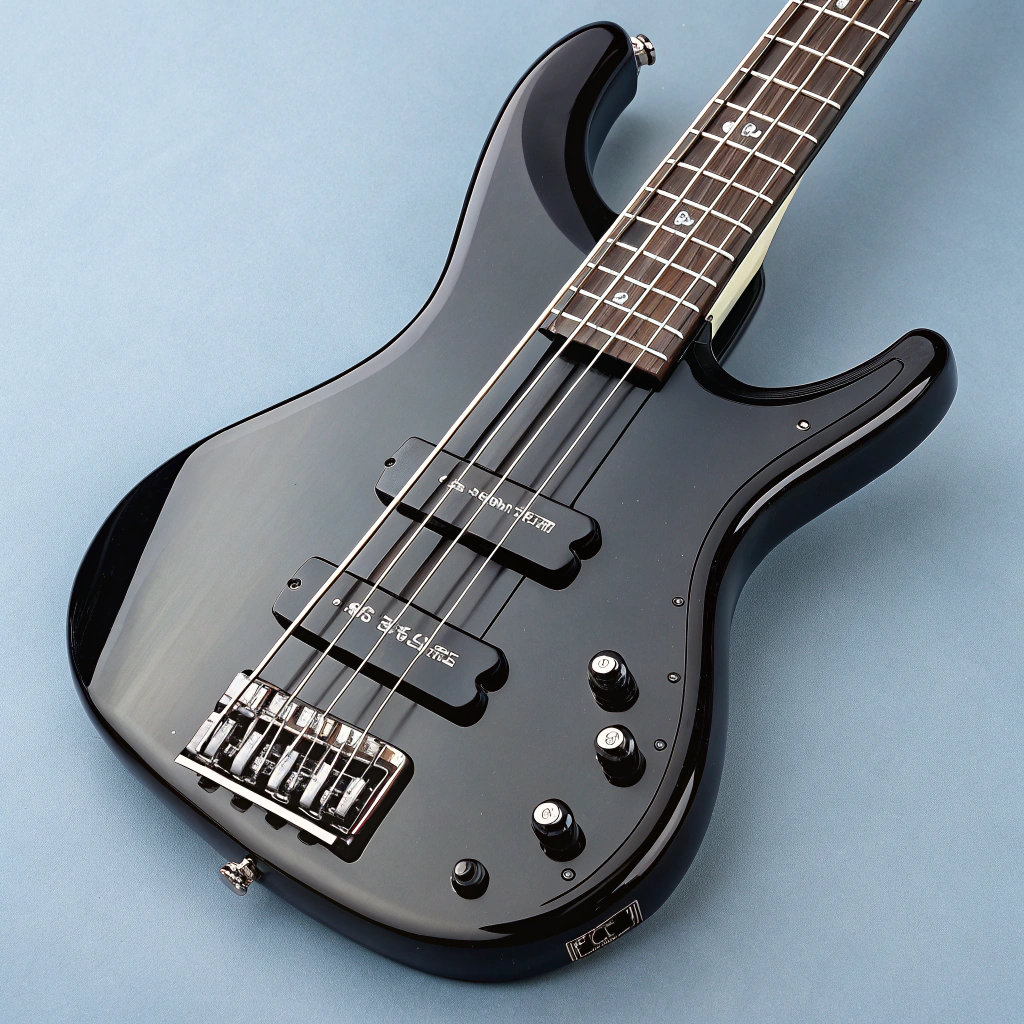
Essential Features to Consider
Choosing a bass that feels right and sounds powerful starts with a few key decisions. Below is a practical reference for the features every player should evaluate before buying. Each one changes how the instrument feels, sounds or holds up over time, and none of them is more important than the feel under your hand.
- Body material: alder, maple and mahogany each give a distinct tone. Lighter woods feel more comfortable during long sessions, while denser woods tend to add sustain and low-end weight. Wood alone does not decide the sound, because the pickups, bridge and setup all contribute.
- Neck profile: a slim, medium or chunky neck changes how your hand wraps around it. Test the feel in your hand, and check the action at the 12th fret, which is where many players notice whether the setup suits them.
- Pickup configuration: single-coil pickups offer bright clarity and definition, while humbuckers deliver a thicker, low-end punch with less hum. Many models combine both for versatility.
- String gauge: light-gauge strings (0.045 to 0.080) are easier to bend and press, while heavier gauges (0.050 to 0.090) provide more volume and a tighter low end. Choose a gauge that matches your style and the instrument's scale length.
- Bridge type: fixed bridges give stability and a simple setup, while adjustable bridges let you fine-tune intonation and action, which helps when you change string gauges.
- Finish and hardware: a smooth finish reduces friction against your forearm and clothing, and chrome or nickel hardware resists corrosion better than cheaper plated parts.
Matching the Bass to Your Music
A bass that suits funk may not suit punk or worship bands. Think about where you will play and what your ear wants before you narrow the list.
- Groove and funk: a precise, punchy tone and a comfortable neck help with fast fingerstyle work and slap technique.
- Rock and metal: a thicker, more focused low end and a sturdy bridge keep the sound tight under distortion.
- Jazz and acoustic settings: a warm, rounded tone and a neck that suits upright-style phrasing often matter more than maximum volume.
What to Check in the Shop
- Intonation: play a note at the 12th fret and compare it with the harmonic above it. If they do not match, the bridge may need adjusting.
- Action: strings that sit too high make the instrument hard to play, while strings that buzz on the frets point to a setup problem.
- Electronics: turn the volume and tone controls through their range and listen for crackle, and check that the output jack holds the cable firmly.
- Tuners: check that each machine head turns smoothly and holds pitch once the string is up to tension.
Setup Basics for a New Bass
Even a well-made bass can arrive with settings that suit the factory rather than you. A few simple checks at home can make a big difference.
- String height: adjust the saddles so the strings clear the frets without rattling. Make small changes and retest, since a little movement goes a long way.
- Truss rod: a slight relief in the neck helps prevent buzzing. Adjust in small increments, and if you are unsure, ask a qualified technician to set it for you.
- String changes: a fresh set of strings in the gauge you chose brings the instrument to life, and it is a good moment to clean the fretboard and check the bridge.
Common Beginner Mistakes
- Buying on looks alone: a striking finish means little if the neck feels awkward or the instrument drifts out of tune.
- Ignoring the amp: a bass sounds different through each amplifier. Try your candidates through an amp with similar specs to the one you plan to use.
- Choosing the heaviest gauge: heavy strings feel stiff and tire the fingers. Start lighter and move up only if you want more volume or a firmer tone.
When you are ready to buy, use a bass listing to compare specifications and read customer reviews. Pay attention to comments about setup and fret finish, because those points are often what separates a comfortable instrument from a frustrating one. Plan for a bass amplifier, a clip-on tuner, a gig bag and a spare set of strings from the start.
For a look at the two classic bass designs, read Precision Bass vs Jazz Bass: Which One Should You Buy?. To check the neck and action before you commit, see How to Check Guitar Action and Setup Before You Buy. You can also explore our bass guitar page.
The Bottom Line
Start with the feel: a neck and body you can play comfortably for an hour. Then consider the sound you want, from the wood and pickups to the string gauge. Test as many basses as you can, listen to them through an amp, and remember that a well-set-up bass will serve you better than a more expensive one that plays poorly.
Keep reading
- Precision Bass vs Jazz Bass: Which One Should You Buy? — Compares two classic bass designs for different playing styles.
- Best Guitar Accessories to Upgrade Your Sound — Lists upgrades that improve sound once the bass is set up.
- How to Care for Your Guitar Maintenance Tips — Covers routine care that keeps a bass playing well.